

A Clinical Overview
Regenerative Protein Array™ Line (RPA)
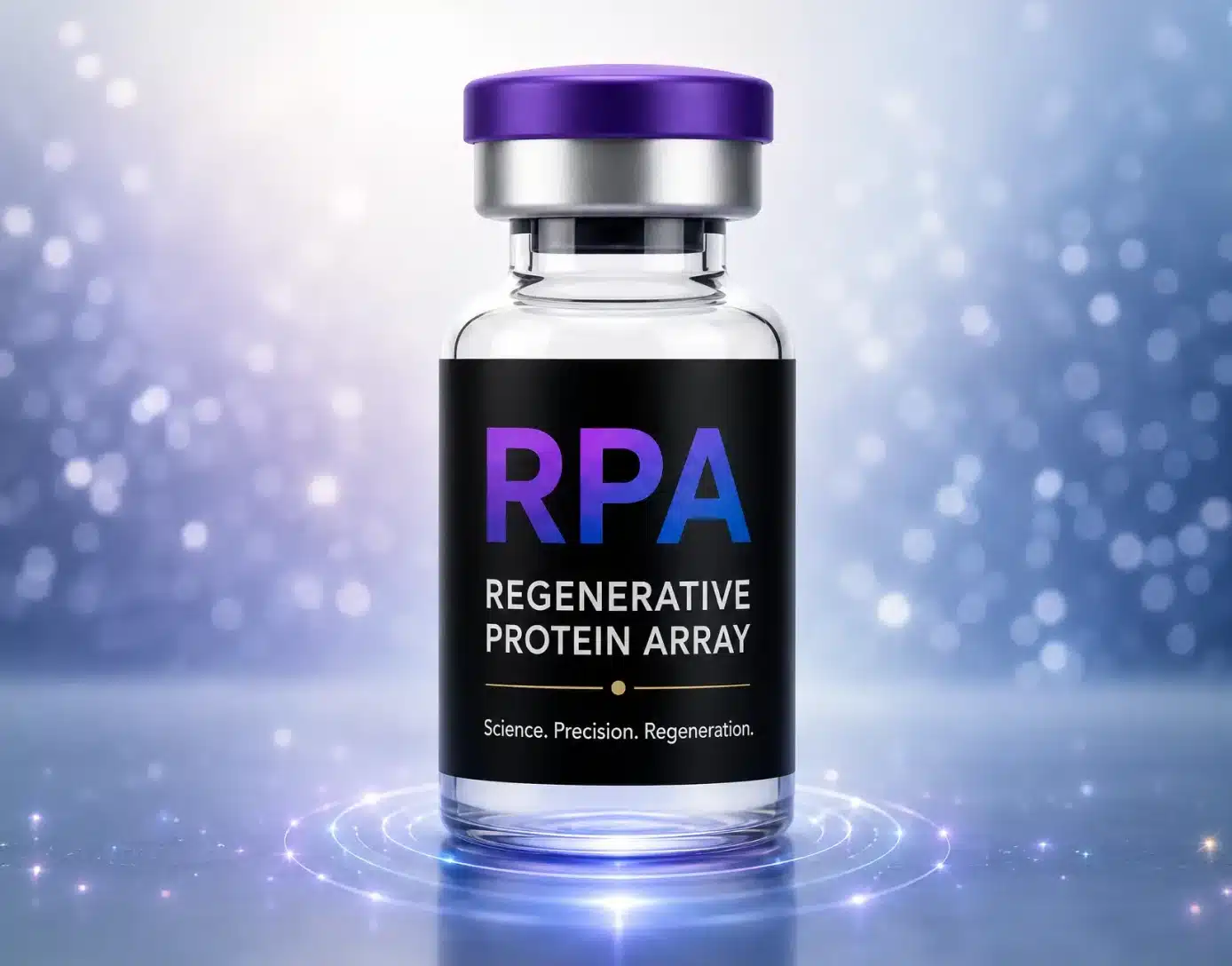
Regenerative Protein Array (RPA) represents a groundbreaking advancement in the field of regenerative medicine. RPA is a sophisticated array of proteins, growth factors, and cytokines derived from placental tissue. This innovative approach is based on the understanding that the therapeutic power of regenerative medicine lies not in the direct transformation of injected stem cells into target tissues, but rather in their ability to modify the surrounding cellular environment through key biological messages.
RPA is produced by placing placental tissue in a specialized bioreactor, which nurtures and stimulates the tissue. This process encourages the placenta to produce a rich array of cytokines and growth factors. The resulting product is a concentrated source of the regenerative messages inherent in placental tissue, offering an array of bioactive components that are pivotal in tissue regeneration and healing.

Potency and Effectiveness
RPA is estimated to be an order of magnitude more potent than conventional treatments like Platelet Rich Plasma (PRP). This potency is attributed to the comprehensive range of regenerative factors present in RPA, which collectively contribute to its superior therapeutic effects.
Mechanism of Action
RPA works by essentially 'reprogramming' the local environment of damaged or diseased tissues. The array of proteins and growth factors in RA reactivates cellular processes, leading to enhanced transcription and translation activities within the cells. This reactivation may aid in restoring the tissue's natural balance and promotes healing and regeneration.
Safety Profile
One of the critical advantages of RPA is its safety. Since the product is devoid of DNA or whole cells, it may reduce the risk of adverse reactions, off-target effects, or contraindications associated with other cell-based therapies. This aspect may make RPA as safer alternative in regenerative medicine applications.
Revolutionizing Regenerative Medicine
RPA stands as a testament to the evolution of regenerative medicine. By mimicking the body's natural regenerative capabilities, particularly those evident in early life, RPA offers a holistic approach to healing. It reintroduces the essential regenerative messages that our bodies lose with age, thereby reinvigorating the body's innate healing mechanisms.
Conclusion
In summary, Regenerative Protein Array (RPA) is a transformative development in regenerative medicine, offering potent and versatile treatment options for a variety of regenerative medicine applications. By harnessing the power of placental-derived growth factors and cytokines, RPA opens new avenues in the pursuit of healing and tissue regeneration, marking a significant stride forward in medical science.